
Botox with Trigger Point Injections for TMJ Relief
Relieve Jaw Pain with Advanced Trigger‑Point Therapy
If you’ve been living with chronic jaw pain, headaches, or unexplained muscle tension, you’re not alone. Temporomandibular joint disorder (TMJ or TMD) affects millions of people and can leave you feeling worn down and frustrated. At Post Falls Family & Cosmetic Dental, we specialize in minimally invasive solutions for orofacial pain. Our Botox™ with trigger point injections therapy combines traditional trigger‑point techniques with carefully dosed botulinum toxin to relax overworked muscles, ease pain, and help you reclaim your quality of life. Conveniently located off the Spokane Street freeway exit, our office serves patients from Post Falls, Coeur d’Alene, Rathdrum, Hayden, and Liberty Lake with compassionate, evidence‑based care.
TMJ Relief
✳︎
Trigger Point Injections
✳︎
TMJ Relief ✳︎ Trigger Point Injections ✳︎
What Is TMJ Disorder?
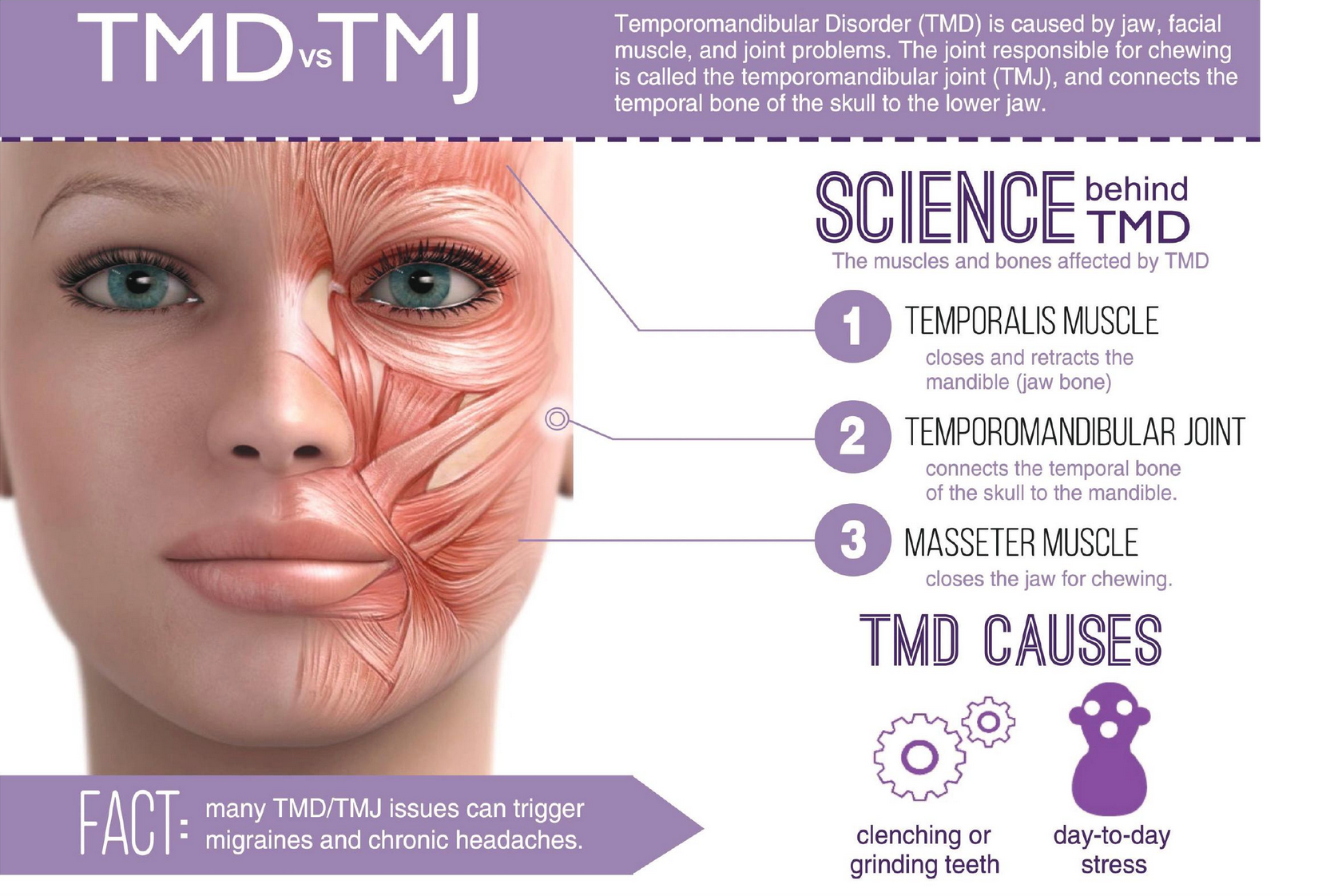
The temporomandibular joint (TMJ) is the hinge that connects your jawbone to your skull. When stress, injury, or arthritis overstimulate the muscles that move the jaw, the joint can become misaligned. According to specialists in orofacial pain, this misalignment can cause muscle spasms, jaw noises (popping or clicking), difficulty opening or closing the mouth, and pain radiating through the teeth, head, neck, and shoulders. Everyday habits such as clenching, grinding (bruxism), nail biting, or chewing gum place additional strain on these muscles.
If left untreated, TMJ disorder can affect your ability to speak, chew, and sleep comfortably. Conventional therapies—night guards, physical therapy, stress management, and anti‑inflammatories—can help, but some patients continue to experience debilitating pain. That’s where trigger point injections and Botox come in.
Trigger Points and Why They Cause Pain
Your jaw muscles aren’t always uniformly tense. Small knots of muscle fibers called trigger points often develop from overuse or stress. These points are most commonly found in the masseter and temporalis muscles, which control jaw movement. When a trigger point forms, it can cause localized pain and referred pain that radiates into the neck, shoulders, and head. People with myofascial trigger points often report headaches, ear discomfort, and even a sensation of fullness in the ears.
How Trigger Point Injections Work
Trigger point therapy is a proven, non‑surgical technique. A thin needle is inserted into the knot of tense muscle fibers to mechanically loosen the tight fascia or tissue enclosing the muscle and increase circulation. The injection will include Botox to relax muscles.
According to TMJ specialists, disrupting the tension and altering pain‑signal transmission can deactivate the trigger point and provide relief that lasts days or even months. Trigger point injections are effective for chronic headaches, TMJ pain, myofascial pain, and discomfort in the neck and shoulders.
While injections work well for many patients, some cases require a longer‑lasting solution. That’s where therapeutic Botox comes in.
Botox: A Powerful Addition to
Trigger Point Therapy
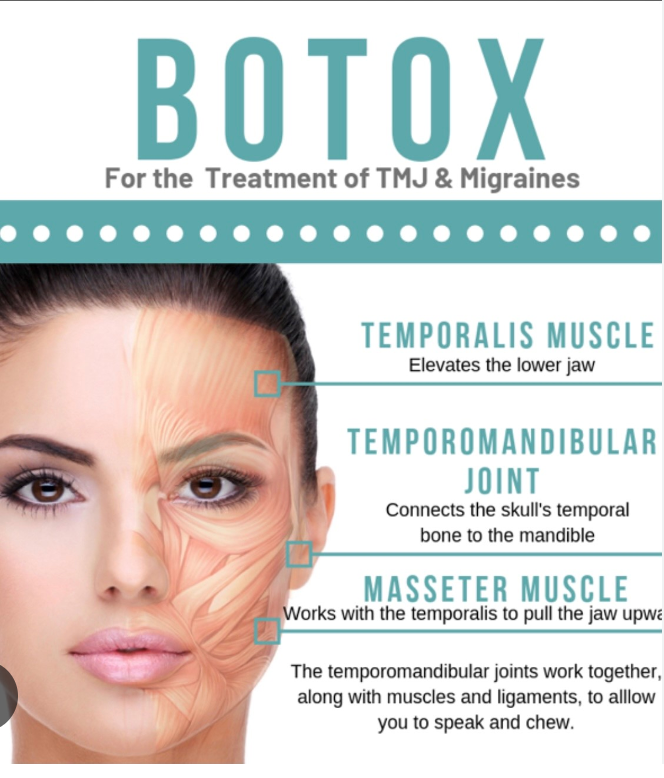
Botulinum toxin type A (Botox™) is a purified protein that temporarily blocks nerve signals to muscles. When injected into the masseter and temporalis muscles, Botox reduces their ability to contract fully; during the three to four months after treatment, the muscles exert far less force than normal.
This controlled relaxation reduces the buildup of lactic acid and other pain‑producing chemicals, so nerve endings send fewer pain signals to the brain. Botox also remains localized when administered by a trained clinician and is often injected not only into the masseter and temporalis muscles but also into the splenius capitus, sternocleidomastoid, and trapezius muscles.
Botox therapy is not a stand‑alone cure for TMJ; rather, it complements other modalities such as oral appliances, physical therapy, and stress management. Patients typically require a series of treatments, and results improve when underlying risk factors like bruxism are addressed. Our dentists have advanced training in facial anatomy and orofacial pain, ensuring that injections are precisely placed for safety and efficacy.
Why Combine Botox with Trigger Point Injections?
Integrating Botox with trigger point therapy offers a synergistic approach. The initial trigger point injection deactivates the knot and provides immediate relief, while Botox prevents the muscle from re‑contracting fully for several months. This combination can:
Reduce muscle spasms and headaches – Relaxing the jaw muscles lowers tension, which can help alleviate tension headaches and migraines.
Protect your teeth – By decreasing clenching and grinding, Botox limits enamel wear and protects restorative work.
Improve jaw function – Less muscle strain makes it easier to open and close the mouth, chew, and speak comfortably.
Enhance facial aesthetics – In addition to pain relief, Botox can smooth a gummy smile and soften fine lines around the lips and chin, benefits highlighted on our supplemental dentistry page.
You may be a good candidate if you:
Experience persistent TMJ pain, muscle spasms, or headaches despite conventional treatments.
Have trigger points in the masseter or temporalis muscles identified during a clinical exam
Grind or clench your teeth (bruxism) and wish to protect your teeth from further wear.
Prefer a non‑surgical, minimally invasive treatment with little downtime.
Are in good overall health and not pregnant or nursing.
Before recommending any therapy, our dentists will conduct a comprehensive examination, including a review of your medical history, a bite analysis, and a discussion of your symptoms. We may also collaborate with physical therapists or other healthcare providers to build a customized plan. Because Botox is not appropriate for all TMJ problems—such as disc displacement or joint inflammation—accurate diagnosis is essential.
Who Is a Candidate for Botox with Trigger Point Injections?
What to Expect During
Your Appointment
Our goal is to deliver comfortable, effective care tailored to your needs. Here’s what a typical Botox with trigger‑point appointment looks like:
-
Botox typically provides relief for three to four months. Trigger point injections can offer additional comfort for several weeks or months. For sustained results, most patients return for periodic maintenance visits.
-
Most patients experience only mild discomfort. You might feel a brief pinch during each injection, but the procedure is generally well-tolerated.
-
Yes. Botox stays localized to the targeted muscles and has been used safely for decades to treat migraines and muscle disorders. Our dentists understand jaw anatomy and ensure proper dosing.
-
Botox is effective for reducing muscle contraction and pain, but it does not correct structural issues such as disc displacement or ligament problems. We evaluate your specific symptoms and may suggest complementary therapies, such as splint therapy or referral to a TMJ specialist, if structural concerns are present.
-
Unfortunately, no. However, at Post Falls Family and Cosmetic Dental, we offer payment plans so that any treatment is an option for those who need or want to do it.
Frequently Asked Questions About Botox TMJ Relief
-
We listen to your concerns, examine your jaw muscles and joints, and confirm whether trigger points are present. We’ll discuss your medical history and any previous treatments to ensure Botox is appropriate.
-
Using palpation and muscle testing, we identify the exact locations in the masseter, temporalis, and (when necessary) lateral pterygoid muscles. Precise placement is key to keeping Botox where it belongs.
-
A small needle is inserted into each trigger point. We gently manipulate the muscle to release the knot and may inject a local anesthetic or steroid for immediate relief.
-
After the trigger points are released, we carefully administer a measured dose of Botox. The entire procedure typically takes 20–30 minutes, and you can resume normal activities shortly afterward.
-
Most patients start to notice the effects of Botox within 3–5 days, with maximum relief in about two weeks. Results last approximately three to four months, after which a follow‑up injection may be recommended.
Why Choose Post Falls
Family & Cosmetic Dental?
Expertise and Advanced Training
Our doctors are not only skilled in general and cosmetic dentistry; they also have specialized training in orofacial pain and neuromodulator therapy. We stay current with the latest research and techniques, ensuring that injections are delivered safely and effectively.
Personalized Care for Northern Idaho and Eastern Washington
We’re proud to serve Post Falls, Coeur d’Alene, Rathdrum, Hayden, Liberty Lake, and Spokane Valley. Trigger point injections can be combined with custom night guards, physiotherapy referrals, and bite adjustments to provide comprehensive relief.
Comfortable, Modern Facility
Our state‑of‑the‑art clinic at 313 N. Spokane Street offers a warm, Northwest Lodge–style atmosphere. We use the latest diagnostic technology and offer amenities such as sedation dentistry to help anxious patients relax. Flexible financing options are available.